


30-October-2026
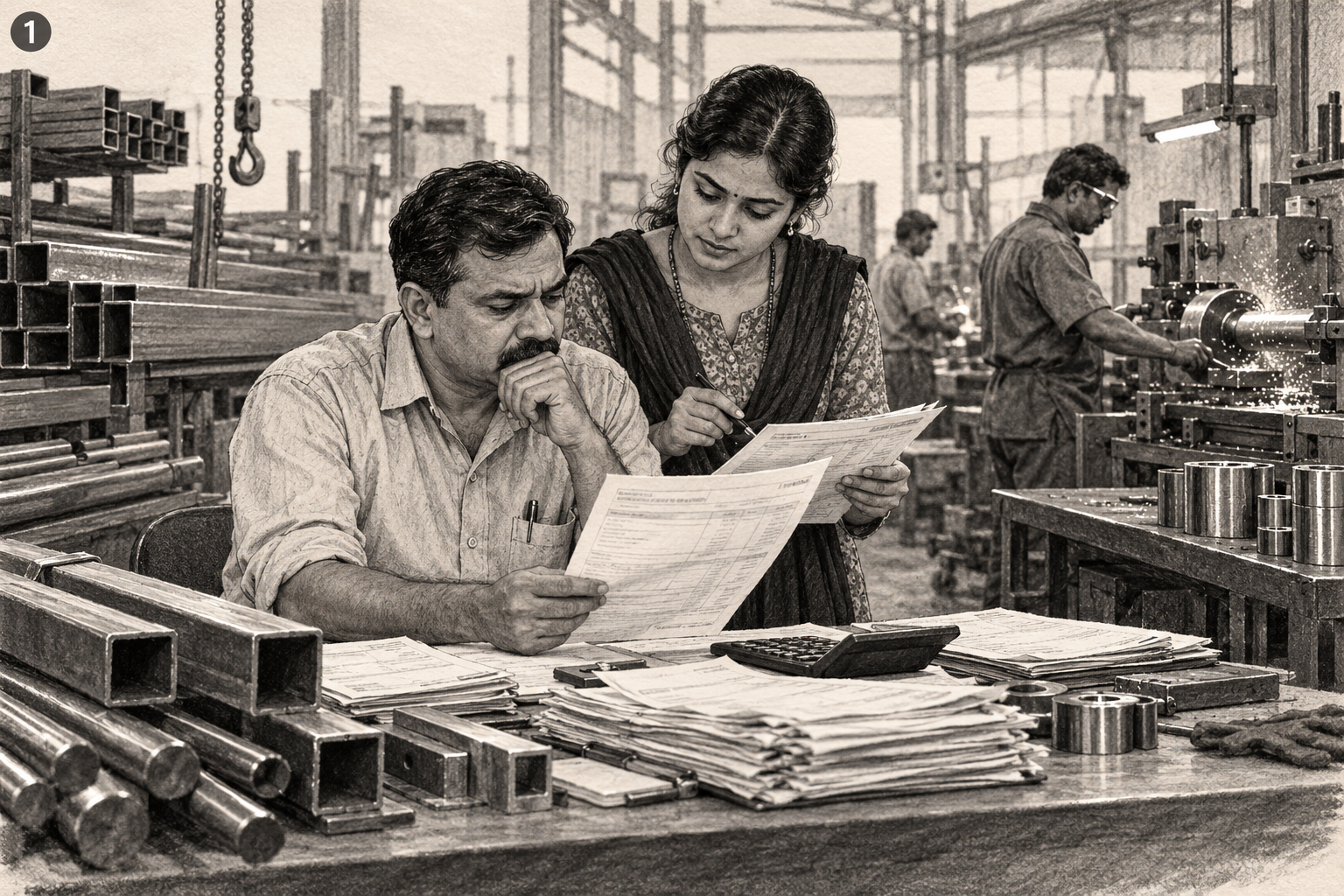
A demand from Ludhiana’s engineering industry deserves urgent national attention. Reporting on 30 October records FICO’s appeal to reduce GST on steel, arguing that differences between input and finished-product rates leave manufacturers with accumulated credits and strained working capital. This is an industry representation—not an approved tax change—and its sector-specific claims require examination.
The underlying question is straightforward: how long should a productive enterprise have to finance money awaiting recovery through the tax system?
The SME Times believes that the practical test of tax administration is whether a compliant business can recover eligible credit predictably. A credit recorded in an account cannot pay workers, purchase materials or meet an electricity bill.
A small manufacturer may consequently borrow to bridge the gap. Where an eligible refund is unnecessarily delayed, administrative inefficiency becomes a financing cost borne by the enterprise.
The SME Times questions whether policymakers receive sufficiently detailed information about the age, value and reasons for pending MSME refund claims. Aggregate disposal figures can conceal serious problems in individual manufacturing clusters.
The answer need not begin with accepting every demand for a rate reduction. Changes to steel taxation require assessment of revenue, downstream effects and the wider credit chain. The immediate responsibility is to establish the facts.
The SME Times recommends a focused review of affected clusters, publishing claim-processing times, recurring documentation problems and the value of eligible refunds awaiting release. Trade bodies should submit representative invoices and verified cash-flow evidence rather than generalised estimates.
Banks, meanwhile, should assess viable enterprises on their underlying trading position and documented receivables.
Government cannot credibly encourage manufacturing while leaving avoidable administrative delays to consume manufacturers’ working capital. Establish the liability, resolve eligible claims promptly and make the process accountable.


